By Patricia M.
Are you new to sewing with knits, or a bit wary to try sewing on fabric that seems so different from a woven?
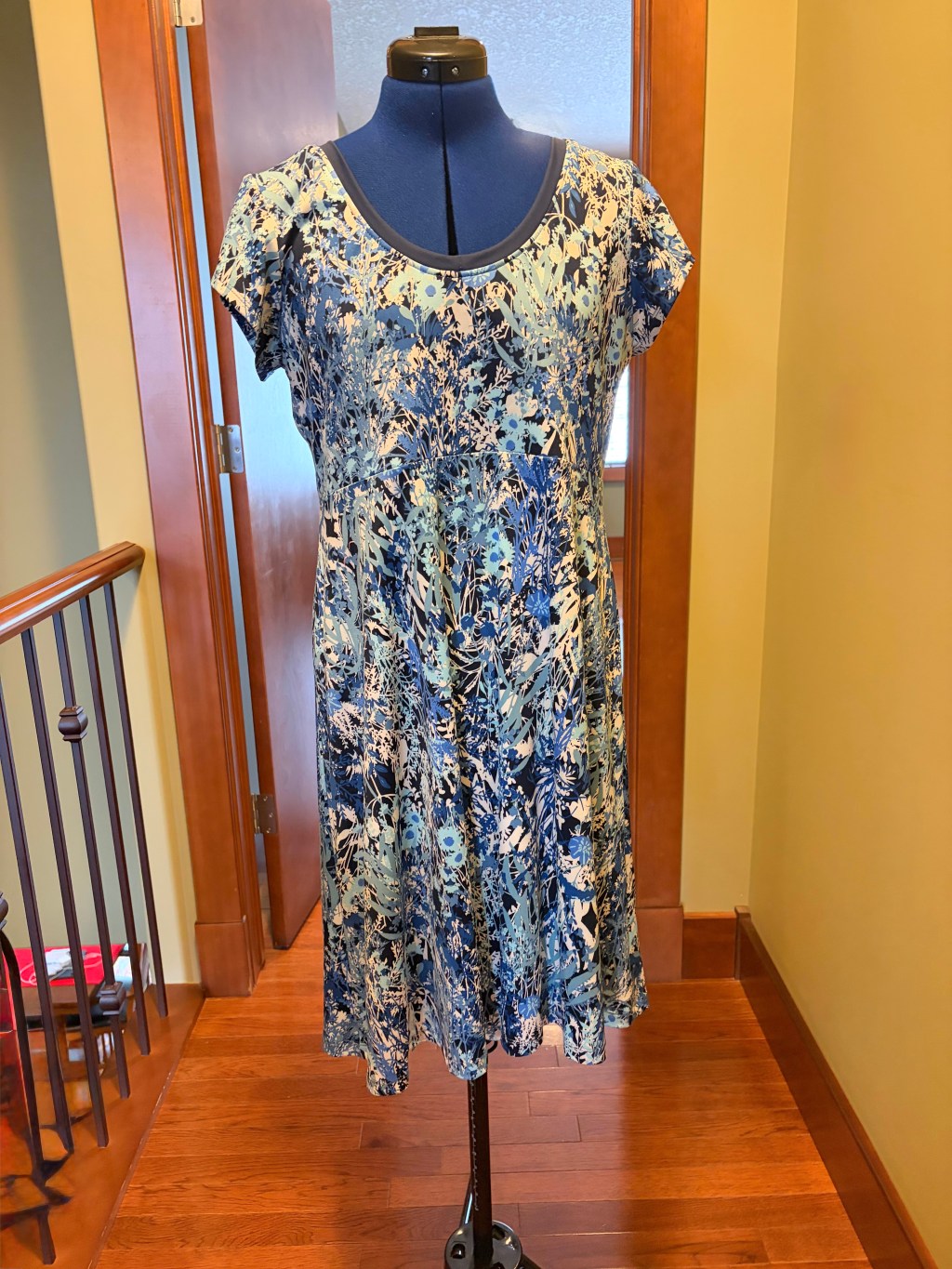
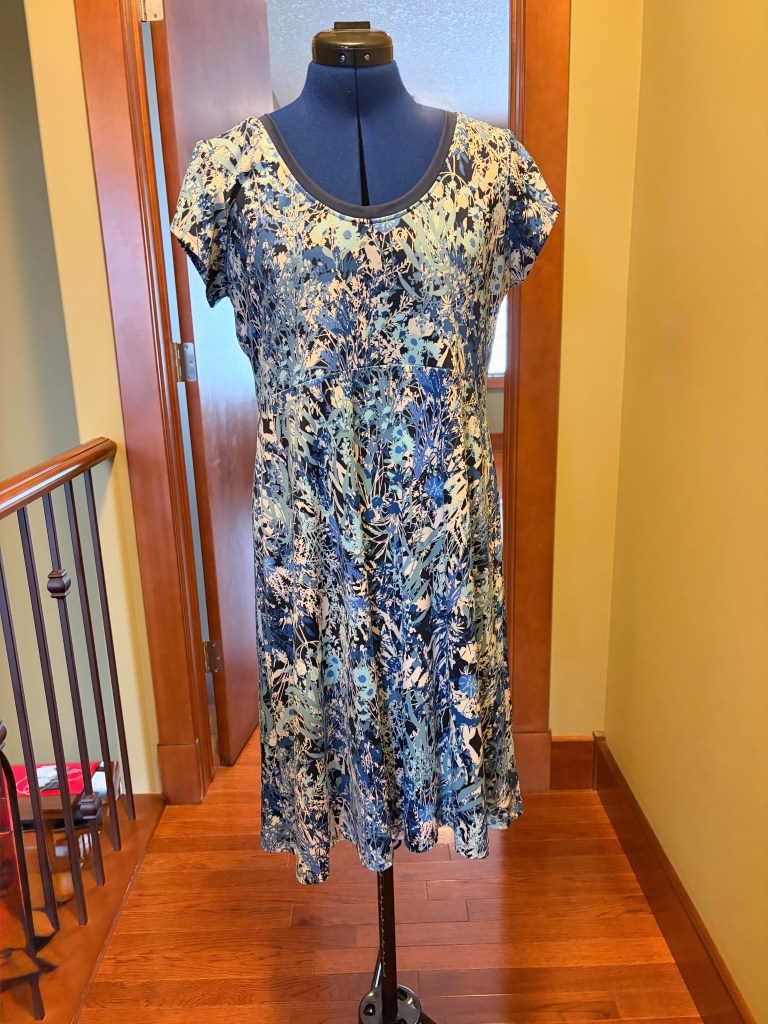
Calgary Sews Meetup member Patricia M. loves to sew with knits, and her me-made garments are always impeccably sewn. She shared with us her best tips!
Sewing with Knits
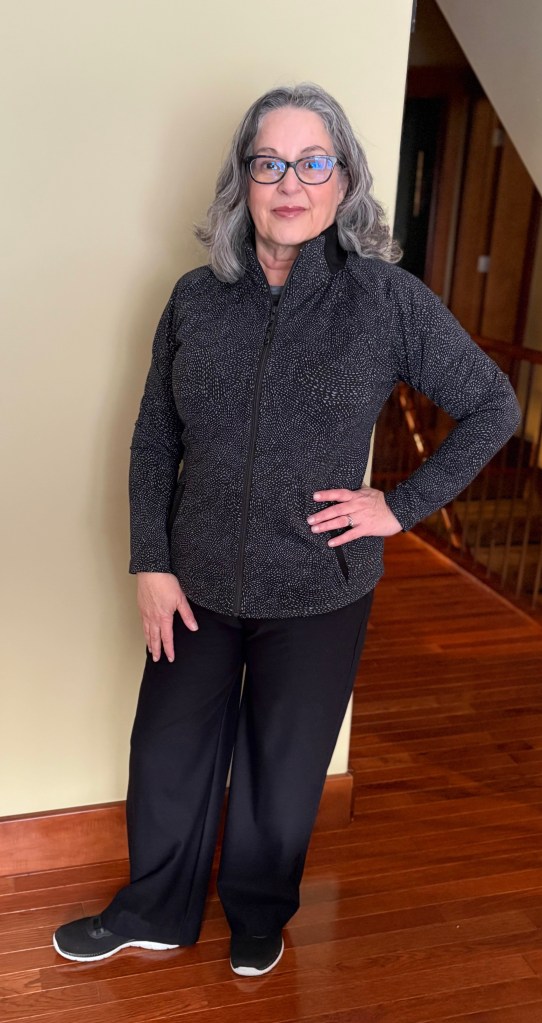
Let’s talk about knits! I will share with you a few tips I learned in my journey sewing with stretch fabric.
But first, WHAT IS A KNIT?
Knit fabric is a stretchable, flexible textile created by interlocking loops of yarn, rather than weaving threads in a grid.
Some stretch is only mechanical. It means that the construction of the yarn does not have added elastic fibres like Lycra (a trademarked brand). An example is cotton jersey. It is soft on the skin and comfortable to wear, but it lacks good recovery and has no compression.
The addition of elastic fibres creates a fabric that offers a range of compression, recovery, and stretch. The generic names for Lycra are Spandex (US) and Elastane (Europe).
STRETCH – IT REALLY MATTERS!
You may have heard of 2-way or 4-way stretch, right?
- 2-way stretch: stretches only along the grain (either horizontally or vertically, but not both) (ideal for fitted garments like trousers or skirts).
- 4-way stretch: stretches both horizontally and vertically (essential for garments requiring high movement, such as leggings, bodysuits, and swimwear.)
By the way, when recovery is important, 4-way fabrics generally have superior recovery, returning to their original shape better than 2-way fabrics.
My tip is to always follow the stretch stated in the pattern. If the fabric has less stretch, you may need to do adjustments (size up, bigger armscye).
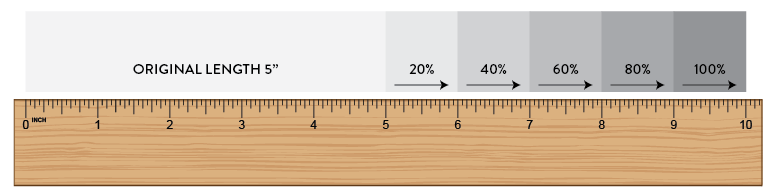
Measure the stretch!
CHOOSE YOUR FABRIC WISELY
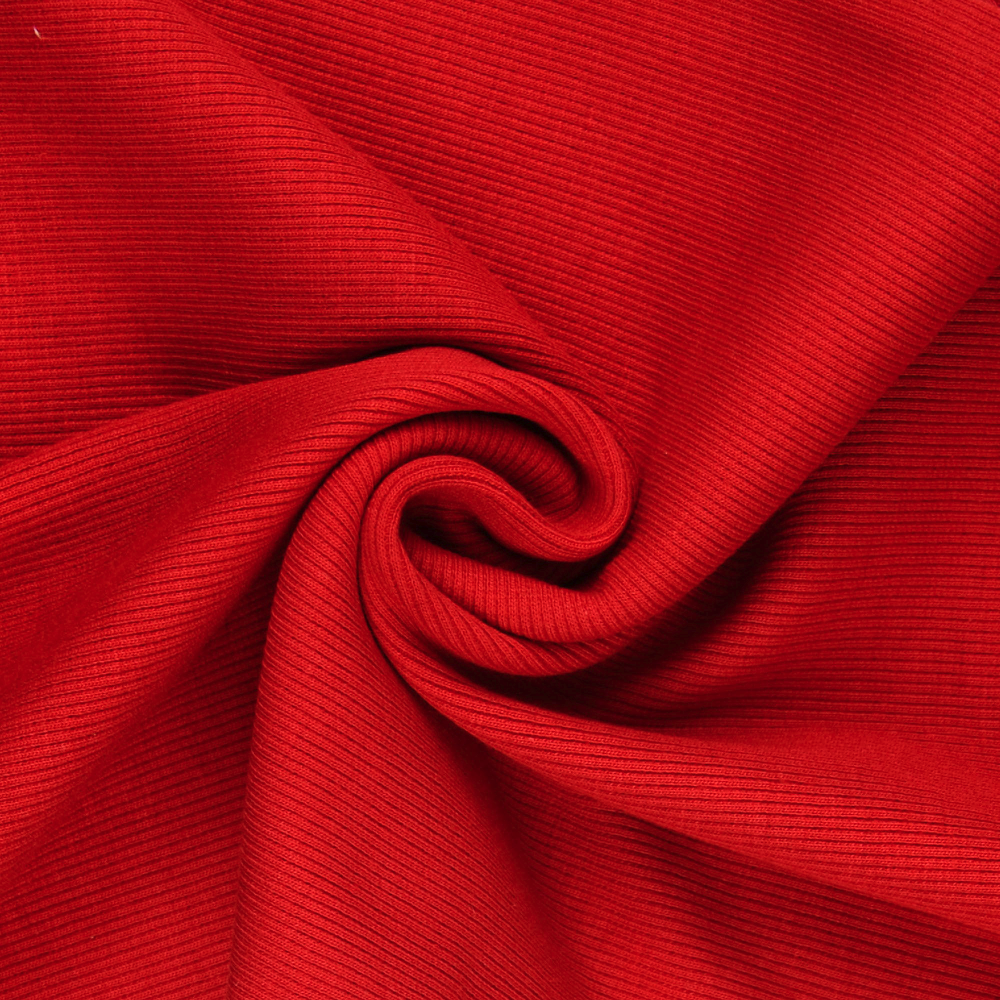
Type
- If you are a beginner, choose a stable knit (Ponte is great!) or cotton jersey instead of rayon spandex. It is easier to work with and once you feel more confident, move to sew more challenging fabrics.
Weight
- Bottom weight, light and medium weight. Like wovens, it matters for the end result.
- If buying online, check the description. Vendors usually post weight, stretch, composition on their website.
Drape
- It will depend on the pattern. A cotton jersey T-shirt will have less drape than one made of rayon spandex.
TOOLS
I love gadgets but there is no need to spend lots of money. A few good tools will help you enjoy sewing knits and avoid “drama” in your sewing room!
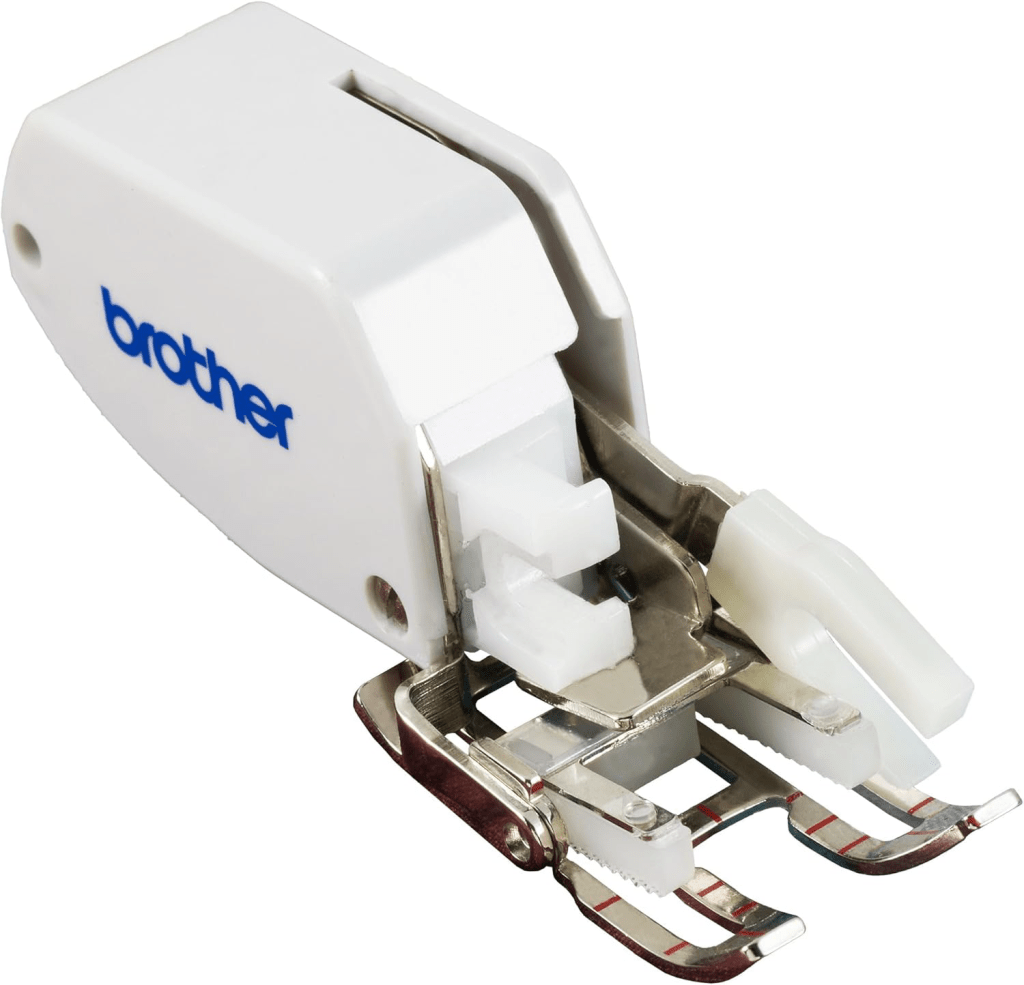
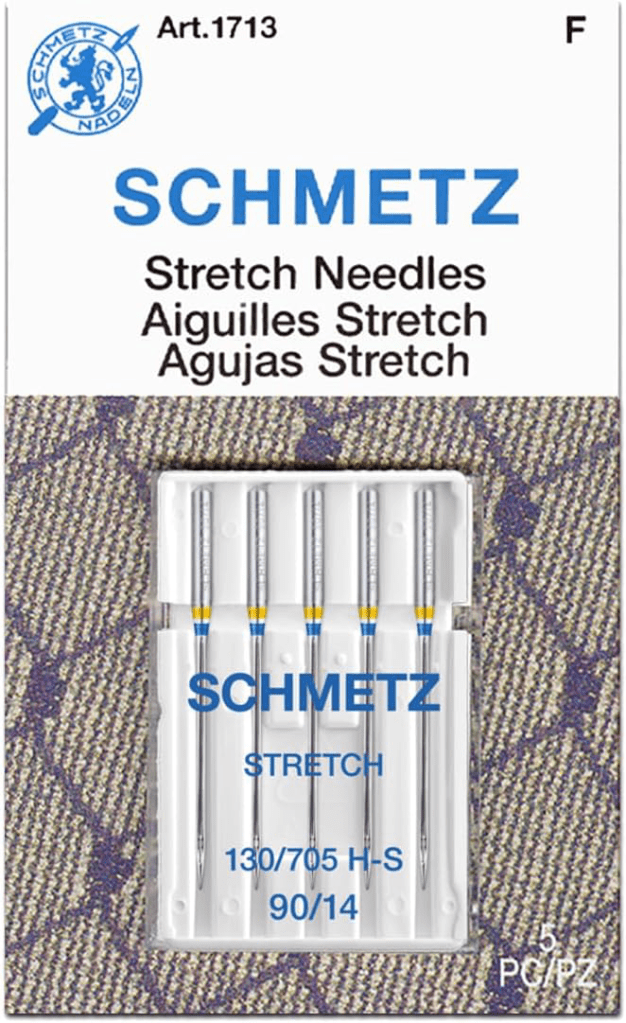
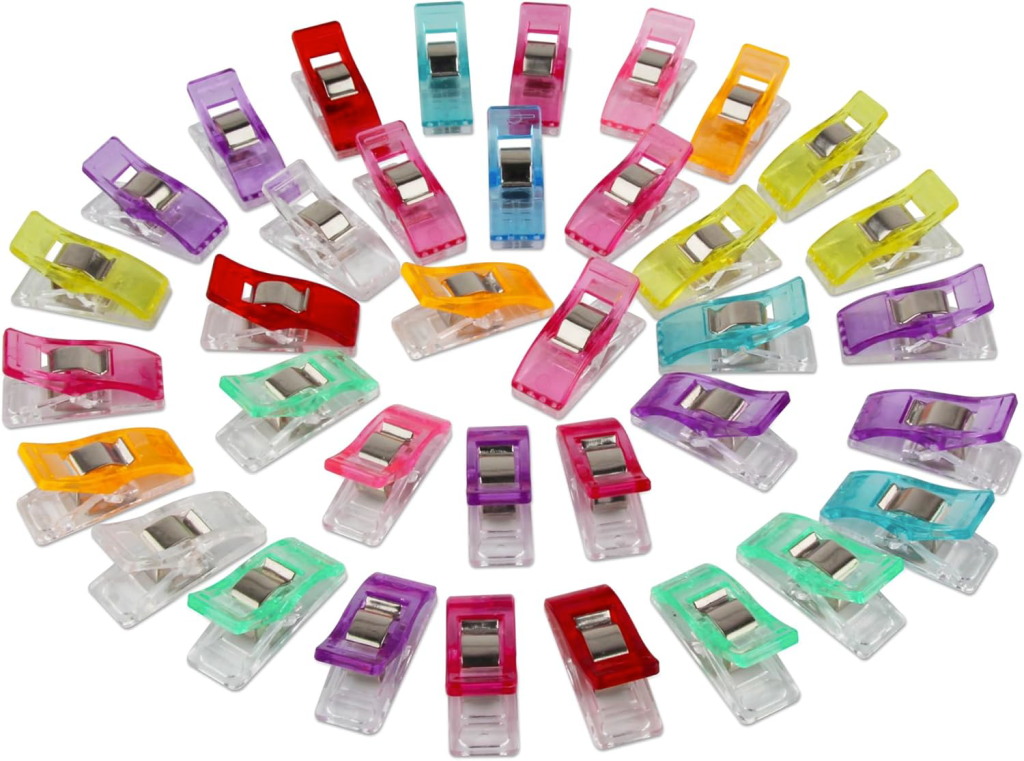
In order of appearance…
- Walking foot:
- This little gadget will make your sewing with knits more enjoyable. It prevents stretching, waving, and puckering by feeding top and bottom fabric layers evenly.
- Needles:
- Stretch needles are great for knits with Lycra, elastane, spandex
- Ball point needles are fantastic for knits with mechanical stretch.
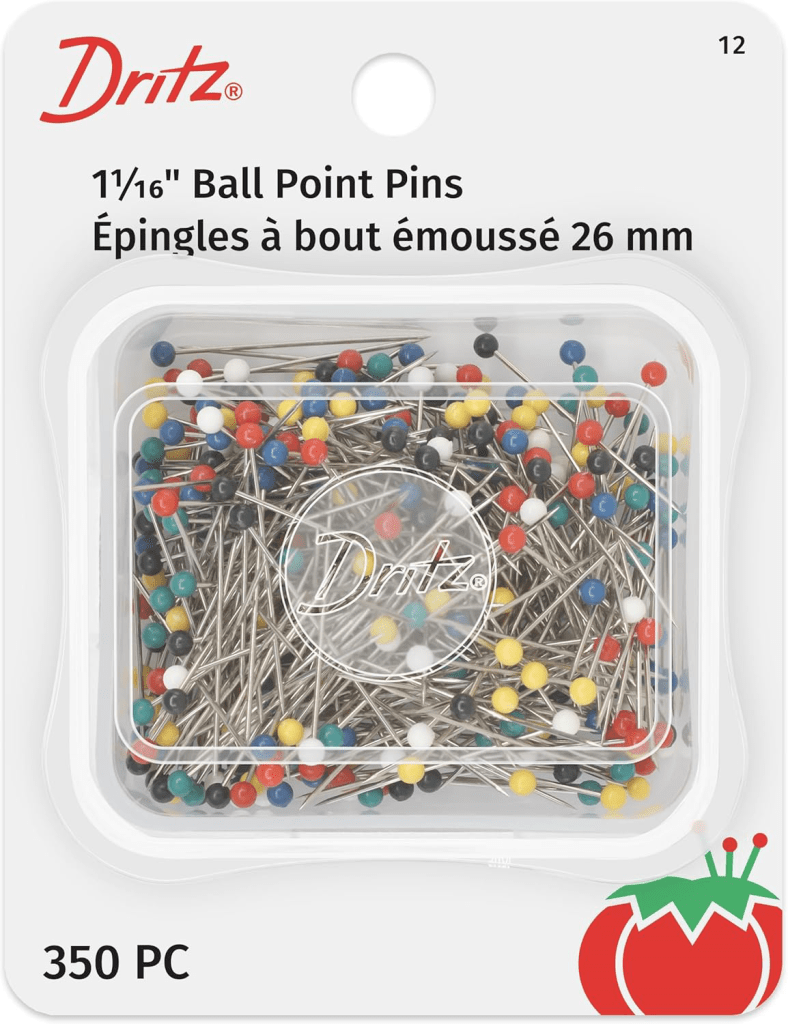
- Wonder clips and ball point pins:
- If you sew with your serger, wonder clips are great because it removes the “danger” of sewing over pins and, therefore, avoiding any damage to the knife, and potentially throw the machine out of timing.
- Using ball point pins is a “good practice” because they don’t puncture the fabric. The rounded tip prevents damage to delicate, stretchy, or delicate knit fabrics.
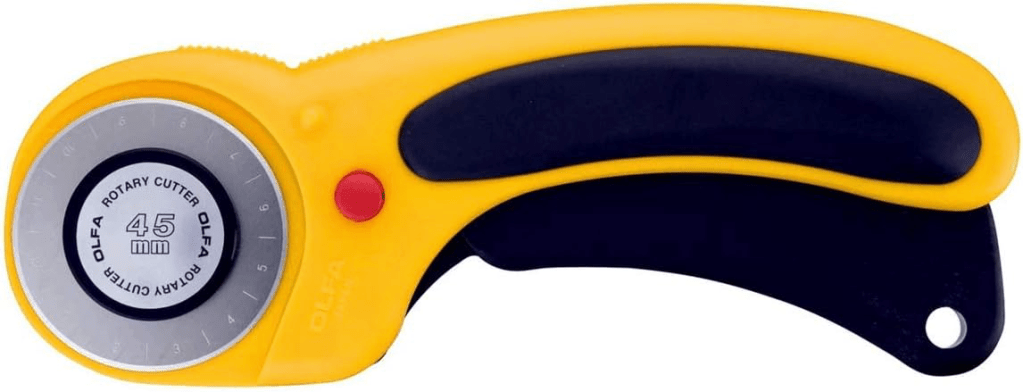
- Rotary cutter
- For cutting knit fabrics, I usually use a 45mm rotary cutter because I think it is the best choice for precise, clean cuts through jersey and spandex without stretching or shifting. I use a smaller 28mm cutter for tight curves.
- NOTE: When using rotary cutters, you will need a self-healing mat to avoid damaging the surface you are using for cutting (table, floor, countertop).
- Pattern weights are the perfect companion to the rotary cutter! They are effective, timesaving alternatives to pins for holding patterns in place, especially on delicate, thick, or slippery fabrics, which can be damaged or distorted by pinning. I use cans or jars from my pantry as pattern weights!
STABILIZE SHOULDER SEAMS
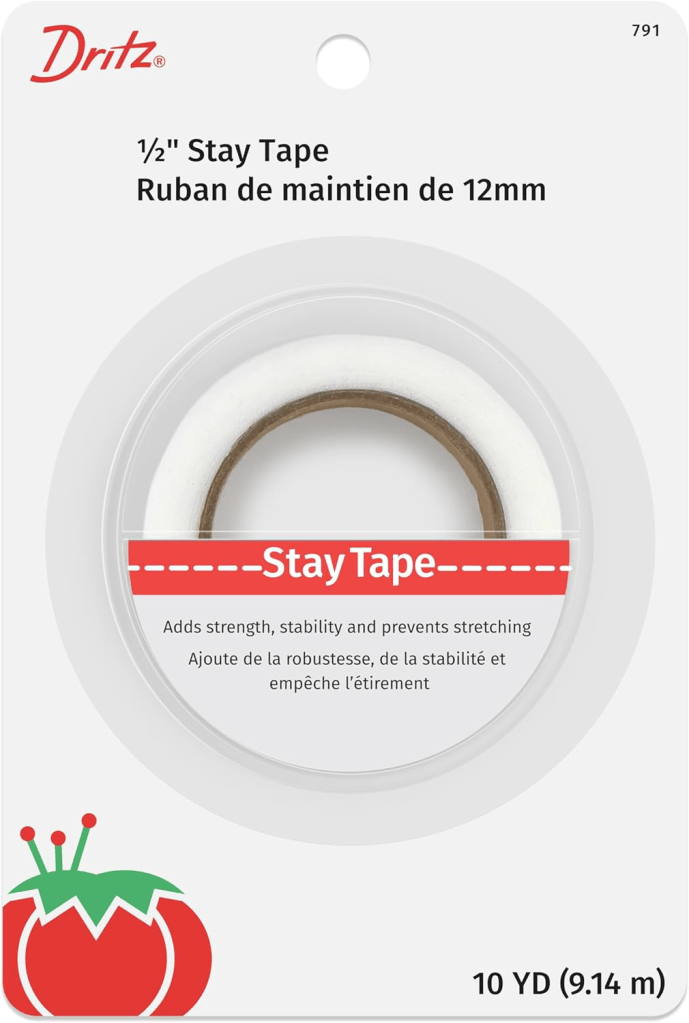
To prevent stretching and sagging over time I stabilize shoulder seams in my knit garments. I use stay tape.
NOTE: The stabilizer should be applied to the back shoulder seam allowance before sewing and pressing toward the back
SEWING HEMS
I usually do the following:
- mark the hem with a guideline stitching line,
- fold and press with iron,
- baste (or use pins) and
- sew with my sewing machine or coverstitch.
SEWING SEAMS
Always use a zig zag stitch where elasticity is needed. If you are sewing a knit jacket and installing a zipper, a straight stitch will work fine because no stretch is needed when using the zipper. However, if you are installing a “yoga” waistband, a zig zag stitch is needed to prevent seams from propping because the waistband will be stretched when going over the hips.
My go-to zig zag stitch to use for seams is: 2.5 length – 0.5 width
NOTE: I don’t use the “lightning stitch”; if you need to remove stitches, it is a “pain in the rear”. Trust me. I learned the hard way!
I hope you find these tips helpful
HAPPY SEWING!
 Calgary Sews
Please join the discussion